

Introduction
Technology has transformed the financial industry from a traditionally manual environment into a highly connected digital ecosystem. Traders, investors, financial professionals, and businesses now depend on real-time information, automated systems, data analysis, and secure digital infrastructure to understand changing markets. Within this broader transformation, ftasiatrading technology can be explored as a topic representing the growing relationship between financial markets and modern technology. The concept brings attention to areas such as artificial intelligence, automation, market analytics, cloud computing, cybersecurity, and digital financial services.
The importance of technology in trading is not limited to faster transactions. Modern systems can help users organize large amounts of information, identify patterns, monitor market movements, and manage activities through convenient digital interfaces. As financial markets become increasingly interconnected, technological infrastructure has become an essential part of the trading environment. Understanding these developments allows users to recognize both the opportunities and limitations associated with digital finance while approaching financial decisions with greater awareness.
Understanding FTAsiaTrading Technology
Ftasiatrading technology can be understood in the broader context of technological innovation within digital trading and financial services. Instead of viewing technology as a single tool, it is more useful to consider it as a combination of systems working together. Data platforms, analytical software, automated processes, cloud infrastructure, digital communication, and security mechanisms can all contribute to a modern financial environment.
The development of these technologies has changed how market information is accessed and interpreted. In earlier financial environments, investors often depended heavily on newspapers, telephone communication, delayed reports, and manual calculations. Today, digital platforms can process information much faster and present it through dashboards, charts, alerts, and analytical interfaces. This does not eliminate the need for human judgment. Instead, technology provides users with tools that can make research and monitoring more efficient.
The Role of Artificial Intelligence in Trading
Artificial intelligence has become one of the most discussed technologies in modern finance. AI systems can process large datasets, recognize patterns, classify information, and assist with repetitive analytical tasks. In a trading environment, these capabilities can help users examine historical information and monitor market conditions more efficiently than purely manual approaches.
Machine learning can also be used to identify relationships within large collections of financial data. However, AI should not be treated as a guaranteed method of predicting market movements. Financial markets are affected by economic conditions, company performance, geopolitical developments, investor sentiment, regulations, and unexpected events. Therefore, intelligent systems are best considered analytical support rather than replacements for responsible decision-making.
Real-Time Data and Market Analysis
Access to timely information is one of the most important advantages provided by modern financial technology. Market prices, economic indicators, company announcements, currency movements, and other financial information can change rapidly. Digital systems are designed to collect, organize, and display relevant information so users can evaluate developments without relying entirely on manual research.
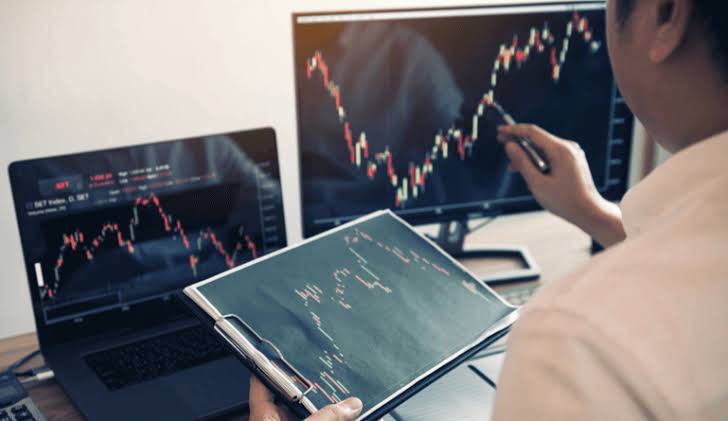
The analytical side of ftasiatrading technology is particularly relevant to this changing environment because modern investors need more than raw information. They need tools that can organize data into understandable formats. Interactive charts, historical comparisons, market indicators, dashboards, and customized alerts can help users examine information from different perspectives. The quality of the underlying data remains critical, however, because sophisticated analysis cannot compensate for inaccurate or incomplete information.
Automation and Algorithmic Processes
Automation is another major development influencing digital trading. Automated systems can perform predefined tasks according to specific instructions, reducing the need for users to complete every repetitive action manually. In suitable circumstances, automation can improve consistency and allow professionals to focus more attention on strategy, research, and risk management.
Algorithmic trading takes automation further by using programmed rules to analyze conditions and execute predefined actions. Such systems require careful design, testing, monitoring, and risk controls. A poorly designed algorithm can produce undesirable outcomes just as quickly as a well-designed system can perform its intended function. For this reason, automation should be approached as a technical tool rather than a guarantee of profitability.
Cloud Computing and Digital Infrastructure
Cloud computing has become an important foundation for modern financial technology. Instead of depending entirely on physical infrastructure located in one place, cloud-based systems can provide scalable computing resources, storage, and software services. This flexibility can be valuable for organizations that need to process growing quantities of financial information.
Cloud infrastructure can also support remote accessibility and collaboration. Financial professionals may need to monitor systems from different locations, while businesses can require technology that expands as their operations grow. Strong infrastructure should therefore focus on reliability, scalability, performance, backup systems, and access management. The increasing use of cloud computing demonstrates how financial technology extends beyond trading interfaces into the underlying systems that support digital operations.
Cybersecurity and Financial Protection
Security is one of the most important considerations in any digital financial environment. Trading platforms and financial applications may handle sensitive personal information, account credentials, transaction details, and other valuable data. As digital activity increases, organizations must continuously strengthen their security practices.
Modern cybersecurity can involve encryption, multi-factor authentication, secure access controls, monitoring systems, vulnerability management, and regular software updates. Users also have an important role to play by choosing strong passwords, protecting authentication information, recognizing suspicious communication, and monitoring account activity. The technology behind a financial system can be advanced, but security ultimately depends on both technical safeguards and responsible user behavior.
Mobile Technology and Accessibility
Smartphones have changed how people interact with financial services. Mobile applications allow users to check information, monitor accounts, review market developments, and manage digital activities while away from a traditional desktop computer. This convenience has helped make financial technology more accessible to a broader audience.
The mobile experience also creates new expectations. Users increasingly want responsive applications, simple navigation, fast loading times, clear information, and strong security. Developers therefore need to balance convenience with protection. A well-designed mobile financial environment should make important information easy to understand without sacrificing safeguards against unauthorized access.
Data Analytics and Smarter Decisions
Data analytics is becoming increasingly valuable because financial markets generate enormous amounts of information. Raw data alone has limited value if users cannot understand or organize it. Analytical systems can transform large datasets into meaningful indicators, trends, comparisons, and visual representations.
For ftasiatrading technology, the broader significance of analytics lies in supporting evidence-based thinking. Instead of relying solely on intuition, users can examine historical performance, market movements, financial indicators, and other measurable factors. Nevertheless, analytics should always be interpreted carefully. Historical patterns do not guarantee future results, and statistical relationships can change when market conditions change.
Benefits for Modern Financial Users
The combination of digital tools can offer several practical benefits. Faster access to information can reduce delays in research, while automated processes can minimize repetitive work. Analytical dashboards can make complex information easier to organize, and mobile technology can improve accessibility.
Another important advantage is customization. Different users have different objectives, levels of experience, and approaches to financial research. Modern technology can allow users to customize dashboards, alerts, reports, and analytical views according to their requirements. This flexibility can make digital financial systems more useful for individuals as well as professional organizations.
Challenges and Limitations
Despite its advantages, financial technology also introduces challenges. System outages, cybersecurity threats, data inaccuracies, algorithmic errors, and technical failures can create serious problems. Greater automation can also encourage users to rely too heavily on systems without understanding how those systems operate.
Another challenge involves information overload. Having access to thousands of data points does not automatically lead to better decisions. Users must determine which information is relevant and which signals may be misleading. This makes financial knowledge and critical thinking just as important as technological capability.
Regulation is another significant consideration. Financial markets operate under different legal and regulatory frameworks depending on the country, financial product, and type of activity involved. Anyone using digital financial services should therefore understand the applicable rules and verify important claims through appropriate official sources.
The Importance of Responsible Technology Adoption
Technology should support informed financial activity rather than encourage unrealistic expectations. A responsible approach involves understanding how a system works, reviewing its available features, considering associated risks, and avoiding decisions based solely on automated recommendations.
Users should also distinguish between educational information and personalized financial advice. A technology platform can provide useful market information and analytical tools, but individual financial decisions depend on personal circumstances, objectives, risk tolerance, and applicable regulations. Responsible adoption means using technology as one part of a wider decision-making process.
Future Trends in Digital Financial Technology
The future of financial technology is likely to involve continued development across artificial intelligence, automation, cloud infrastructure, cybersecurity, digital payments, blockchain, and advanced analytics. These technologies are increasingly interconnected rather than operating as isolated systems.
Artificial intelligence may become better at processing unstructured information, while cloud computing can continue providing scalable infrastructure. Cybersecurity will remain a priority as financial services become more digitally dependent. Blockchain and related technologies may also influence areas such as digital assets, transaction records, and financial infrastructure, although their practical applications will depend on regulation, adoption, and technical development.
In this evolving environment, ftasiatrading technology reflects a wider conversation about how digital innovation is changing the way people interact with financial information and trading systems. The most valuable developments will likely be those that combine technological capability with transparency, security, usability, and responsible implementation.
Why Technology Knowledge Matters
Understanding financial technology is increasingly important even for people who are not professional traders. Digital payments, online banking, investment applications, automated financial services, and data-driven business systems are now part of everyday economic activity.
Learning the basics of AI, cybersecurity, data analytics, cloud computing, and automation can help users make more informed choices about the digital financial tools they encounter. Technology literacy also makes it easier to recognize unrealistic promises and distinguish useful features from marketing claims.
For businesses, technology knowledge can support better strategic planning. Organizations that understand emerging tools can identify opportunities to improve efficiency, customer service, security, and data management. The objective should not be to adopt every new technology, but to identify solutions that provide genuine value.
Conclusion
Financial technology continues to reshape the way markets operate and how users interact with financial information. From artificial intelligence and real-time analytics to cloud computing, automation, mobile applications, and cybersecurity, modern systems are creating a more connected digital financial environment. Ftasiatrading technology fits within this broader transformation by highlighting the relationship between technology, trading, data, and digital financial services.
The future of digital finance will depend not only on technical innovation but also on responsible adoption. Users need accurate information, secure systems, realistic expectations, and strong financial awareness. Technology can make information easier to access and processes more efficient, but human judgment remains essential. By combining technological tools with careful research and responsible decision-making, individuals and organizations can better understand the opportunities and challenges emerging in the modern financial landscape.