
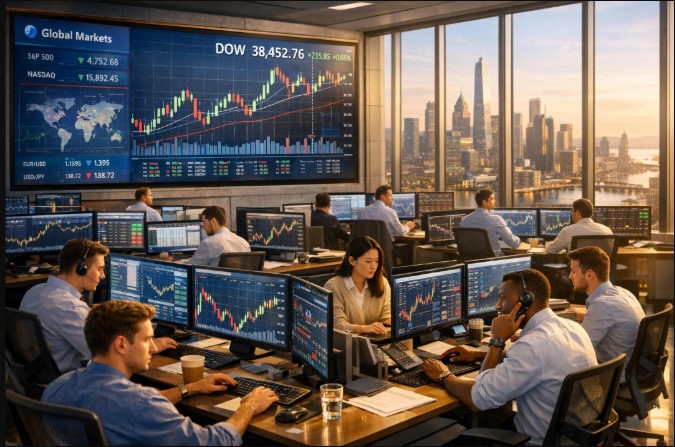

Technology has transformed nearly every aspect of modern business, and the trading industry is no exception. Over the past decade, digital platforms, artificial intelligence, data analytics, and automation have reshaped how traders interact with financial markets. Among the emerging concepts gaining attention is ftasiatrading, a term often associated with technological advancements in digital trading environments. As businesses and investors seek faster, smarter, and more efficient solutions, innovative trading technologies continue to evolve.
The growth of online trading has increased the demand for tools that provide accurate market insights, real-time data, and seamless execution. Modern platforms are no longer limited to basic buying and selling functions. Instead, they incorporate sophisticated technologies that support decision-making, risk management, and performance tracking. Ftasiatrading technology represents this shift toward smarter systems that integrate automation and advanced analytics to improve trading efficiency.
Understanding how these technologies work is essential for traders, investors, and businesses looking to stay competitive in an increasingly digital marketplace. This article explores the key aspects of ftasiatrading technology, its features, benefits, challenges, and future potential.
The Evolution of Trading Technology
Trading technology has come a long way from traditional floor-based exchanges. In earlier decades, traders relied on telephone communications, physical exchanges, and manual record-keeping. These processes often resulted in delays, inefficiencies, and limited access to information.
The introduction of computers revolutionized the industry by enabling electronic trading systems. As internet connectivity improved, online trading platforms became accessible to individual investors. Today, cloud computing, artificial intelligence, and machine learning are driving the next phase of innovation.
The evolution of ftasiatrading technology reflects these broader industry developments. Advanced systems can now analyze market trends, process large volumes of data, and execute trades within milliseconds. This transformation has created opportunities for traders to operate more efficiently while reducing human errors.
The following table highlights the progression of trading technology:
| Era | Key Technology | Main Benefit |
|---|---|---|
| Traditional Trading | Physical Exchanges | Direct Market Access |
| Electronic Trading | Computer Networks | Faster Transactions |
| Online Trading | Internet Platforms | Global Accessibility |
| Automated Trading | Algorithms | Reduced Manual Effort |
| AI-Powered Trading | Machine Learning | Predictive Insights |
This progression demonstrates how technology continues to shape the trading landscape.
Core Components of Ftasiatrading Technology
The effectiveness of modern trading platforms depends on several technological components working together. These elements help create a seamless and efficient trading experience.
One of the most important components is data analytics. Trading systems process massive amounts of information from markets around the world. This data is analyzed to identify trends, opportunities, and potential risks.
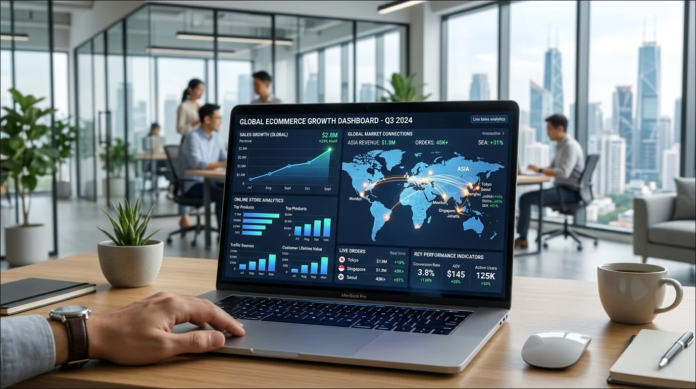
Artificial intelligence is another key component. AI-powered tools can detect patterns that might not be visible through traditional analysis methods. By learning from historical data, these systems can provide valuable predictions and recommendations.
Cloud computing plays a significant role by enabling scalability and accessibility. Traders can access their accounts and market data from virtually anywhere, improving flexibility and convenience.
Automation also enhances efficiency by executing predefined trading strategies without constant human intervention. These technologies collectively form the foundation of ftasiatrading solutions and contribute to better decision-making processes.
Key Features of Modern Trading Platforms
Modern trading platforms offer a wide range of features designed to improve user experience and trading performance. These features help traders make informed decisions while managing risks effectively.
Some of the most common features include:
- Real-time market monitoring
- Advanced charting tools
- Automated trade execution
- Risk management systems
- Portfolio tracking dashboards
- Mobile accessibility
- AI-driven market analysis
- Multi-asset trading support
These capabilities allow traders to react quickly to market changes and optimize their strategies. In the context of ftasiatrading, these features represent the integration of technology with practical trading needs.
Many platforms also provide customizable interfaces, enabling users to tailor their experience based on personal preferences and trading objectives. This flexibility contributes to increased productivity and improved decision-making.
The Role of Artificial Intelligence in Trading
Artificial intelligence has become one of the most influential technologies in the financial industry. AI systems can analyze vast datasets much faster than humans, making them valuable tools for identifying trends and forecasting market movements.
Machine learning algorithms continuously improve their accuracy by learning from historical market data. These systems can evaluate multiple variables simultaneously, helping traders uncover opportunities that may otherwise go unnoticed.
Within ftasiatrading technology, AI contributes to:
- Market trend prediction
- Automated strategy optimization
- Sentiment analysis
- Fraud detection
- Risk assessment

AI-powered systems are particularly useful in volatile markets where rapid decision-making is essential. By reducing reliance on manual analysis, traders can focus on strategy development and long-term planning.
As AI technology continues to advance, its role in trading is expected to become even more significant, creating new possibilities for efficiency and accuracy.
Benefits of Ftasiatrading Technology
The adoption of advanced trading technology offers numerous benefits for individuals and organizations. These advantages contribute to improved performance, reduced operational costs, and enhanced user experiences.
Some major benefits include:
Faster Execution
Modern systems can process and execute trades within milliseconds, reducing delays and improving efficiency.
Enhanced Accuracy
Automated tools minimize human errors and ensure consistent execution of trading strategies.
Better Market Insights
Advanced analytics provide deeper understanding of market trends and patterns.
Improved Accessibility
Cloud-based platforms enable users to trade from various devices and locations.
Risk Management
Sophisticated monitoring tools help identify and mitigate potential risks before they become significant issues.
The implementation of ftasiatrading technology helps traders remain competitive in fast-moving financial markets while maximizing opportunities for growth.
Challenges Associated with Trading Technology
Despite its many advantages, trading technology also presents certain challenges. Organizations and traders must address these issues to maximize the effectiveness of their systems.
One major concern is cybersecurity. As trading platforms become increasingly digital, they also become targets for cyber threats. Protecting sensitive financial information requires strong security measures and continuous monitoring.
Another challenge involves system reliability. Technical failures, software bugs, or connectivity issues can disrupt trading activities and lead to financial losses.
Regulatory compliance is also important. Trading platforms must adhere to various financial regulations to ensure transparency and fairness.
The table below summarizes common challenges and possible solutions:
| Challenge | Impact | Solution |
|---|---|---|
| Cybersecurity Risks | Data Breaches | Strong Encryption |
| System Downtime | Trading Interruptions | Backup Infrastructure |
| Regulatory Changes | Compliance Issues | Continuous Monitoring |
| Data Overload | Analysis Complexity | AI-Based Filtering |
| Market Volatility | Increased Risk | Advanced Risk Controls |
Addressing these challenges is essential for maintaining trust and operational efficiency.
Emerging Trends in Trading Technology
The trading industry continues to evolve as new technologies emerge. Several trends are shaping the future of digital trading and influencing the development of innovative platforms.
One notable trend is the use of blockchain technology. Blockchain offers secure and transparent transaction records, reducing the need for intermediaries and increasing trust.
Another trend is the integration of big data analytics. By processing large datasets, trading platforms can generate more accurate insights and predictions.
The growing popularity of mobile trading applications is also transforming the industry. Traders increasingly expect seamless access to markets through smartphones and tablets.
In addition, environmental, social, and governance (ESG) considerations are becoming important factors in investment decisions. Technology helps traders analyze ESG-related data more effectively.
As these trends continue to develop, ftasiatrading technology is expected to incorporate even more advanced capabilities that enhance performance and user experience.
How Businesses Benefit from Advanced Trading Systems
Businesses operating in financial markets can gain significant advantages by adopting advanced trading technologies. These systems streamline operations, improve decision-making, and support strategic growth initiatives.
Automated processes reduce administrative workloads, allowing teams to focus on higher-value activities. Enhanced analytics provide deeper insights into market behavior and customer preferences.
Businesses can also benefit from improved scalability. Cloud-based infrastructure enables organizations to expand their operations without substantial investments in physical hardware.
Additional business advantages include:
- Increased operational efficiency
- Reduced transaction costs
- Enhanced customer experiences
- Better compliance management
- Improved competitive positioning
By leveraging ftasiatrading solutions, businesses can adapt more effectively to changing market conditions and capitalize on emerging opportunities.
The Future of Ftasiatrading Technology
The future of trading technology appears highly promising. Continued advancements in artificial intelligence, cloud computing, blockchain, and automation are expected to drive further innovation across the industry.
Future trading platforms may offer even more personalized experiences through AI-driven recommendations and adaptive interfaces. Enhanced predictive analytics could improve forecasting accuracy and support more informed investment decisions.
Quantum computing may eventually transform market analysis by processing complex calculations at unprecedented speeds. Although still in development, this technology has the potential to revolutionize financial modeling and risk assessment.
Sustainability and ethical investing are also likely to influence future platform designs. Technology will play a critical role in helping investors evaluate environmental and social factors alongside traditional financial metrics.
As innovation continues, ftasiatrading technology is expected to remain at the forefront of digital transformation within the trading sector.
Conclusion
Technology has fundamentally changed the way financial markets operate, creating new opportunities for traders, investors, and businesses. From artificial intelligence and automation to cloud computing and advanced analytics, modern solutions are making trading faster, smarter, and more accessible than ever before.