
Introduction
Technology has become one of the most important forces shaping modern financial markets. The way people access information, analyze market conditions, monitor transactions, and manage digital activities has changed considerably as software and online infrastructure have developed. Traders and financial professionals can now work with real-time information, analytical dashboards, automated processes, cloud-based systems, and digital communication tools that were not widely available in earlier trading environments. In this changing landscape, ftasiatrading technology represents a useful topic for understanding how technology and financial activities are becoming increasingly connected.
The influence of technology on trading is not limited to faster transactions. Digital systems can help organize large volumes of information, display market data, identify patterns, automate repetitive activities, and provide users with tools for monitoring their strategies. At the same time, technology introduces new responsibilities involving cybersecurity, data quality, privacy, reliability, and risk management. Understanding both sides of this transformation is important for anyone interested in the development of digital financial markets.
Understanding FTAsiaTrading Technology
The phrase ftasiatrading technology can be explored within the broader development of technology-driven trading environments. Modern trading technology generally involves a combination of software platforms, data systems, analytical tools, automation, communication infrastructure, and security technologies. Instead of depending entirely on manual research and traditional processes, users can access digital systems that help them organize information and interact with financial markets more efficiently.
A technology-focused trading environment can include many different layers. A user interface provides access to information and account functions, while data infrastructure collects and processes market information. Analytical tools can transform raw information into charts, indicators, reports, and other useful formats. Automation can reduce repetitive manual tasks, while security systems help protect accounts and sensitive information. These components work together to create the digital environment in which modern trading activities take place.
The Evolution of Digital Trading
Trading has moved through several technological stages. Traditional financial activities often depended on physical communication, telephone instructions, printed reports, and manual record keeping. As internet connectivity expanded, online trading platforms changed the way users interacted with financial markets. Market information became more accessible, and digital interfaces made it possible to monitor activities from computers and, later, mobile devices.
The next stage has involved the integration of more advanced technologies. Cloud computing, artificial intelligence, machine learning, data analytics, and automation have expanded the capabilities of financial software. Today, technology can process large datasets quickly and present information through interactive dashboards. This evolution demonstrates why digital infrastructure has become an important part of contemporary financial services.
For people studying ftasiatrading technology, this evolution provides useful context. The important change is not simply that trading has become digital; it is that technology now participates in many stages of the information and decision-support process.
The Importance of Real-Time Data
Data is one of the most valuable resources in modern financial environments. Markets generate enormous amounts of information, including price movements, trading volumes, economic announcements, company developments, and other indicators. Reviewing all of this information manually can be difficult and time-consuming.
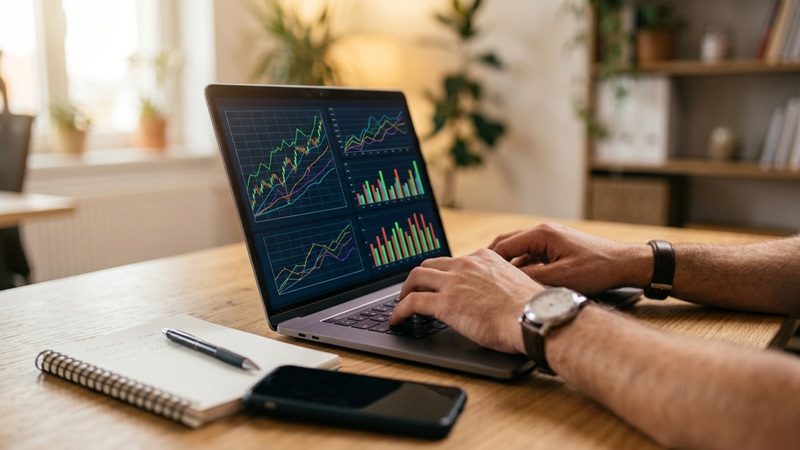
Modern technology helps organize information so that users can examine relevant details more efficiently. Digital dashboards may present charts, historical information, notifications, and analytical indicators in a single environment. This can make it easier to monitor changing conditions and compare different pieces of information.
However, speed does not automatically mean accuracy. Users still need to understand where information comes from, whether it is current, and how it should be interpreted. A fast system using incomplete or unreliable data can still lead to poor conclusions. Therefore, data quality remains just as important as data accessibility in a technology-driven trading environment.
Artificial Intelligence and Trading Technology
Artificial intelligence has become an important area of discussion within modern financial technology. AI systems can process large amounts of information and identify patterns that may be difficult to detect manually. Machine learning models can also be trained to analyze historical datasets and support specific analytical tasks.
Within the broader concept of ftasiatrading technology, artificial intelligence can be viewed as one of several tools that may support research and market analysis. AI can help organize information, automate certain processes, identify unusual patterns, and generate analytical outputs. These capabilities can save time when users are working with complex datasets.
Nevertheless, AI should not be treated as a guaranteed source of accurate predictions. Financial markets are influenced by many variables, and historical patterns do not necessarily determine future outcomes. Technology can support analysis, but responsible users still need to examine assumptions, data quality, market conditions, and potential risks before acting on information.
Automation and Algorithmic Processes
Automation is another major development in digital trading. Automated systems can perform predefined tasks according to specific rules. Instead of requiring a person to repeat the same process manually, software can monitor selected conditions and perform programmed actions when those conditions are met.
Algorithmic systems can be useful for managing repetitive workflows, analyzing market information, generating alerts, and executing predefined instructions. This can improve operational efficiency and reduce some forms of manual error. However, automation also requires careful configuration and monitoring. A poorly designed rule can produce repeated mistakes at high speed.
This is why effective trading technology needs to combine automation with appropriate controls. Users should understand what an automated system is designed to do, what data it uses, and what conditions can activate its processes. Human oversight remains an important part of responsible technology use.
Cloud Computing and Digital Accessibility
Cloud computing has changed how many digital services are delivered. Instead of relying entirely on information stored on a single local computer, cloud-based systems can provide access to applications and information through connected infrastructure. This approach can support scalability, accessibility, collaboration, and centralized system management.
In financial technology, cloud infrastructure can help platforms manage significant volumes of data and provide digital services across different devices. Users may access information through computers, tablets, or smartphones, depending on the system and service being used.
The growth of cloud technology also creates new requirements for security and reliability. Financial information needs strong protection, while systems must be designed to minimize interruptions and unauthorized access. As digital trading environments become more connected, dependable infrastructure becomes increasingly important.
Cybersecurity in Modern Trading
Security is one of the most important elements of any digital financial environment. Online platforms can handle sensitive information, account credentials, transaction details, and other valuable data. Cybersecurity therefore needs to be considered alongside convenience and functionality.
Modern security approaches can include encryption, authentication systems, access controls, monitoring tools, and other protective measures. Strong security practices can reduce the risk of unauthorized access and help protect digital accounts and information.
For users exploring ftasiatrading technology, cybersecurity should not be treated as an optional feature. A sophisticated platform still needs appropriate security controls. Users can also contribute to account protection by using strong passwords, enabling available authentication features, avoiding suspicious communications, and keeping their devices and software updated.
Benefits of Technology-Driven Trading
Digital technology can provide several practical benefits to people interacting with financial markets. One major benefit is accessibility. Online systems can make market information available through digital devices, allowing users to monitor information without depending entirely on traditional communication channels.
Another benefit is efficiency. Software can process information much faster than manual methods in many situations. Automated calculations, digital records, analytical dashboards, and alerts can reduce the time required for repetitive activities.
Technology can also improve organization. Instead of maintaining scattered notes and manual records, users may have access to centralized digital information. Charts, reports, notifications, and transaction histories can be organized within a single environment.
At the same time, these benefits do not eliminate financial risk. Technology can improve access to information and support analysis, but it cannot guarantee successful outcomes. Market uncertainty remains a fundamental part of trading.
Challenges of Modern Trading Technology
Despite its advantages, technology introduces several challenges. One concern is information overload. Having access to more data does not necessarily make decision-making easier. Users may become overwhelmed by excessive indicators, notifications, charts, and analytical outputs.
Technical reliability is another important consideration. Internet disruptions, software errors, system maintenance, or device problems can affect access to digital services. Financial technology therefore requires reliable infrastructure and effective technical support.
Cybersecurity is also an ongoing challenge. As financial systems become more connected, protecting digital information becomes increasingly important. Users and service providers both have responsibilities in maintaining secure environments.
Finally, there is the risk of depending too heavily on automated tools. Technology can support human analysis, but users should understand the limitations of algorithms and automated recommendations. A balanced approach combines digital tools with research, awareness, and careful risk management.
The Future of FTAsiaTrading Technology
The future of ftasiatrading technology will likely be influenced by continued developments in artificial intelligence, automation, cloud computing, data analytics, cybersecurity, and digital financial services. As these technologies develop, financial platforms may become more personalized and capable of processing increasingly complex information.
Artificial intelligence may support more sophisticated analytical workflows, while cloud infrastructure can continue improving accessibility and scalability. Automation may expand into additional operational processes, and cybersecurity technologies will need to develop alongside emerging threats.
Blockchain and distributed-ledger technologies may also influence areas such as digital records, transaction settlement, and asset management. However, adoption will depend on practical usefulness, regulatory environments, security considerations, and market requirements.
The most important development may therefore be the integration of multiple technologies rather than the dominance of one particular innovation. Modern financial platforms are increasingly built from interconnected systems that work together to deliver information, analysis, accessibility, and security.
Building Digital Knowledge for the Modern Market
Technology changes quickly, which makes continuous learning important. Someone interested in digital trading should understand not only how to use a platform but also how its underlying tools work. Basic knowledge of data analysis, cybersecurity, automation, financial concepts, and digital systems can help users interpret technology more responsibly.
Learning should also include an understanding of limitations. No analytical model can remove uncertainty from financial markets, and no automated system can guarantee a particular result. Responsible technology use means understanding what a tool can do, what it cannot do, and how its outputs should be evaluated.
This approach makes ftasiatrading technology more than a discussion about software. It becomes part of a broader conversation about digital literacy, financial awareness, information quality, and responsible technology adoption.
Conclusion
Technology has transformed modern trading by improving access to information, supporting data analysis, enabling automation, strengthening digital communication, and creating new ways to interact with financial systems. Artificial intelligence, cloud computing, analytics, cybersecurity, and automated processes are becoming increasingly connected within the digital financial environment.
The development of ftasiatrading technology reflects this wider relationship between technology and modern trading. Its significance can be understood through the way digital systems help organize information, improve operational efficiency, and support analytical activities. However, technology remains a tool rather than a substitute for careful research and responsible decision-making.
As financial markets continue to evolve, understanding digital technologies will become increasingly valuable. Users who develop a balanced understanding of both technological capabilities and their limitations can better appreciate how modern trading environments are changing. The future will likely bring more sophisticated systems, but reliable data, strong security, informed analysis, and responsible technology use will remain essential.