
Introduction
Technology has become one of the most important forces shaping the modern financial environment. Trading, which once depended heavily on manual processes, traditional communication, and limited access to market information, has gradually developed into a highly digital activity. Today, traders and investors can use advanced software, real-time information systems, automated tools, analytical dashboards, mobile applications, and cloud-based infrastructure to understand financial markets more efficiently. This transformation has created a strong connection between financial activity and technological innovation. The growing interest in ftasiatrading technology reflects this broader movement toward digital solutions that can help users organize information, monitor market developments, and understand complex financial environments.
The influence of technology extends far beyond simply making transactions faster. Modern digital systems can process large quantities of information, identify patterns, generate alerts, simplify reporting, and support different types of financial analysis. Artificial intelligence and machine learning are also becoming increasingly relevant because they can help process information that would be difficult to evaluate manually. At the same time, technology introduces new responsibilities involving cybersecurity, data quality, privacy, system reliability, and risk management. Understanding these advantages and limitations is essential for anyone interested in the changing relationship between technology and trading.
Understanding FTAsiaTrading Technology
The phrase ftasiatrading technology can be understood within the wider context of technology-driven financial markets. Rather than representing one specific technological product, it can describe the collection of digital concepts, tools, and systems associated with modern trading activities. These can include market-data platforms, analytical software, automated workflows, digital communication systems, cloud infrastructure, cybersecurity solutions, and artificial intelligence applications.
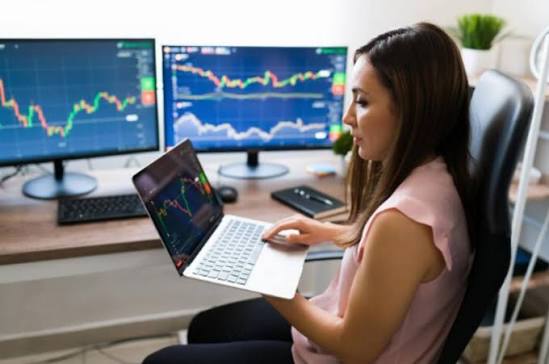
The purpose of these technologies is generally to make information easier to access and processes easier to manage. A modern trader may need to monitor prices, compare historical information, study market indicators, follow economic developments, manage records, and evaluate potential risks. Completing all of these activities manually can consume considerable time. Digital technology can bring different forms of information together through dashboards and analytical interfaces, allowing users to work with data in a more organized manner.
However, technology should not be confused with guaranteed financial success. Software can process information quickly, but markets remain uncertain and can be affected by economic events, company developments, geopolitical conditions, investor sentiment, and unexpected changes. Technology is therefore best viewed as a support mechanism rather than a substitute for research, judgment, and responsible decision-making.
The Growth of Digital Trading
The evolution of digital trading has changed the way people interact with financial markets. Earlier trading environments often required investors to depend on brokers, telephone communication, printed reports, and delayed information. The development of internet-based platforms gradually changed this structure by making financial information and transactions accessible through computers and later through mobile devices.
This digital transition has also increased the importance of speed and accessibility. Market participants can now monitor information from multiple sources without being physically present in a financial center. Charts, price information, notifications, account records, and analytical tools can be presented through a single digital interface. This convenience has helped create a financial environment in which technology is closely connected with everyday trading activities.
The next stage of this development involves intelligent systems that can perform more complex analytical tasks. Instead of simply displaying information, modern platforms can increasingly organize, filter, compare, and interpret data. This development is one reason why ftasiatrading technology can be examined as part of the larger digital transformation occurring throughout the financial industry.
Artificial Intelligence and Trading
Artificial intelligence is becoming an important component of financial technology. AI systems can process large datasets and identify patterns across information that may be difficult for humans to review manually. In a trading environment, these capabilities can support activities such as market research, sentiment analysis, anomaly detection, document processing, and automated monitoring.
Machine learning can also be used to examine historical datasets and recognize relationships within financial information. However, historical patterns do not guarantee future outcomes. Markets can behave differently when circumstances change, which means AI-generated analysis needs to be interpreted carefully.
Another important application of artificial intelligence is personalization. Digital systems can potentially organize information according to a user’s interests, preferred assets, or analytical requirements. Instead of presenting every available data point, intelligent interfaces can highlight information that may be more relevant to a particular workflow. This can reduce information overload and make financial research more manageable.
The growing use of AI demonstrates how ftasiatrading technology can be connected with the wider development of intelligent digital financial systems. Its value lies not simply in automation but in helping users handle increasingly complex information environments.
The Importance of Data Analytics
Data is at the center of modern trading technology. Financial markets generate enormous quantities of information every day, including price movements, trading volumes, economic announcements, company reports, historical records, and market sentiment. Without suitable analytical tools, this information can become difficult to interpret.
Data analytics provides methods for organizing and examining these datasets. Charts, dashboards, statistical models, and visualization tools can help users identify changes and relationships within market information. Instead of looking at isolated numbers, users can compare different periods, observe trends, and examine how variables have changed over time.
Data quality is equally important. An advanced analytical system cannot produce dependable insights from inaccurate, incomplete, outdated, or poorly structured information. For this reason, modern financial technology needs to combine sophisticated analysis with reliable data management.
As financial markets continue to become more data-intensive, analytical technology will remain an important part of digital trading. The ability to transform large amounts of raw information into understandable insights can make financial research more structured and efficient.
Automation and Algorithmic Systems
Automation has changed many repetitive activities within the financial sector. Automated systems can perform predefined tasks according to specific instructions, reducing the need for continuous manual intervention. In trading environments, automation may be used for monitoring, alerts, data collection, reporting, and order-related processes depending on the platform and regulatory environment.
Algorithmic systems are particularly interesting because they can follow predefined rules consistently. A strategy can be translated into instructions that a computer system processes when specified conditions occur. This can reduce emotional interference in certain mechanical processes, although it does not eliminate the possibility of errors or losses.
Automation also creates new risks. A poorly designed rule can produce repeated mistakes at high speed, while technical problems can affect automated processes unexpectedly. Effective monitoring, testing, risk controls, and human oversight therefore remain important.
The development of ftasiatrading technology can be considered alongside this broader shift toward automated financial workflows, where computers increasingly assist with repetitive and data-intensive activities.
Cloud Computing and Digital Infrastructure
Cloud computing has become another important element of modern technology. Instead of relying entirely on local hardware, organizations can use cloud infrastructure to store information, operate applications, support collaboration, and scale computing resources according to demand.
For financial technology, reliable infrastructure is especially important. Users expect digital services to remain responsive and accessible while handling substantial amounts of information. Cloud-based systems can support flexible infrastructure and make it easier for organizations to develop and maintain digital applications.
Cloud technology can also support collaboration. Teams working in different locations can access shared systems and information, allowing research and operational activities to continue across geographical boundaries. This is increasingly relevant in global financial markets where participants may operate across multiple regions.
Nevertheless, cloud adoption requires careful attention to security, access management, data protection, and service reliability. Technology infrastructure must be designed with both performance and protection in mind.
Cybersecurity in Digital Trading
As financial activities become more digital, cybersecurity becomes increasingly important. Trading systems can contain valuable financial information, account details, transaction records, and other sensitive data. Unauthorized access or system disruption can therefore create significant problems.
Modern cybersecurity strategies can include encryption, authentication, access controls, monitoring systems, security testing, and regular software updates. Organizations also need to educate users because human behavior can create security weaknesses. Phishing attempts, weak passwords, unauthorized access, and social-engineering attacks remain important concerns across digital environments.
Security is not simply a technical feature that can be added at the end of development. It needs to be considered throughout the design and operation of a digital financial system. As technology becomes more interconnected, maintaining trust requires continuous attention to cybersecurity.
Mobile Technology and Accessibility
Mobile devices have transformed access to financial information. Smartphones and tablets allow users to monitor markets, receive notifications, review information, and manage digital accounts from different locations. This accessibility has made financial technology more convenient for people who are not always working from desktop computers.
Mobile applications also provide opportunities for personalized experiences. Users can receive alerts about selected markets, review dashboards, and access analytical information through compact interfaces. However, convenience should not encourage impulsive decision-making. Easy access to financial information can be useful, but responsible research and risk awareness remain essential.
The combination of mobile access, cloud computing, analytics, and automation demonstrates how ftasiatrading technology fits into a larger digital ecosystem. Modern financial technology increasingly connects multiple systems instead of relying on one isolated tool.
Benefits and Challenges of Trading Technology
Technology can provide several practical advantages for financial-market participants. Faster information access can make research more efficient, while automation can reduce repetitive manual work. Analytical systems can organize complex datasets, and digital platforms can improve accessibility. Cloud infrastructure can support flexible operations, while cybersecurity technologies can help protect information.
At the same time, technology creates challenges. Complex systems may be difficult for inexperienced users to understand. Automated processes can produce errors if their rules are poorly designed. Technical failures can interrupt access to important information, while cyber threats can create security risks. There is also the possibility that users may rely too heavily on software-generated signals without independently evaluating the underlying information.
For these reasons, technological capability should be combined with education and responsible financial practices. Understanding how a tool works is often just as important as having access to it.
The Future of FTAsiaTrading Technology
The future of trading technology is likely to involve greater integration between artificial intelligence, automation, analytics, cloud computing, mobile systems, and cybersecurity. As computing capabilities continue to improve, digital platforms may become more capable of processing complex information and presenting personalized analytical environments.
Blockchain and distributed-ledger technologies may also influence selected areas of financial infrastructure, including transaction records, settlement processes, and digital ownership. Meanwhile, improvements in cybersecurity will remain necessary as financial systems become more connected.
Another important trend will be the emphasis on responsible technology. Advanced systems need to be understandable, secure, reliable, and appropriately monitored. The future of ftasiatrading technology is therefore not simply about creating faster systems. It is also about developing digital environments that help users work with information responsibly while recognizing uncertainty and risk.
Conclusion
Technology has fundamentally changed the modern trading environment. Digital platforms, artificial intelligence, data analytics, automation, cloud infrastructure, mobile applications, and cybersecurity systems have created new ways to access and manage financial information. These technologies can improve efficiency and organization, but they cannot eliminate market uncertainty or replace careful human judgment.
The concept of ftasiatrading technology can be viewed as part of this broader transformation toward technology-supported financial activities. Its significance comes from the way digital tools connect information, analysis, automation, accessibility, and security. As innovation continues, users who understand both the capabilities and limitations of these technologies will be better positioned to navigate an increasingly digital financial environment.