

Introduction
The financial industry is experiencing a significant transformation as digital platforms, financial technology, automated systems, and data-driven services become increasingly connected. Businesses, investors, entrepreneurs, and finance professionals now expect faster access to financial information and clearer explanations of complex market developments. In this environment, ftasiamanagement exchange by fintechasia has become an online topic associated with digital finance, financial technology, market information, asset management, and evolving economic trends. Available online descriptions present the concept in somewhat different ways, so it is useful to examine it as part of the wider movement toward technology-driven financial ecosystems rather than assuming it represents a conventional exchange in the same sense as a traditional stock exchange.
Modern finance increasingly combines technology with information management. Cloud infrastructure, application programming interfaces, artificial intelligence, automation, digital payments, and blockchain-related technologies are changing how financial organizations process information and interact with customers. A platform or information ecosystem connected with these developments can help readers understand the relationship between technology and financial operations. This broader perspective makes the subject relevant not only to experienced market participants but also to people who want to understand how digital finance is developing across international markets.
Understanding FTAsiaManagement Exchange by FintechAsia
The term ftasiamanagement exchange by fintechasia appears in online publications in connection with financial technology, digital assets, exchange-related information, economic developments, and modern financial management. Some descriptions characterize it as a technology-focused financial platform, while other material presents FTAsiaManagement primarily as an information resource covering finance, technology, money, and economic topics. Because these descriptions are not entirely consistent, readers should distinguish between published descriptions and independently verified information about specific financial services or exchange infrastructure.
This distinction is particularly important in the digital-finance sector. The word “exchange” can refer to a marketplace for financial assets, but it can also be used more broadly when discussing platforms that organize market information, digital financial tools, or financial technology resources. Understanding the terminology helps readers avoid confusing educational or informational content with regulated investment services. The broader FTAsiaManagement material describes its purpose as providing accessible information rather than offering financial advice, services, or guarantees.
The Growing Role of Financial Technology
Financial technology has changed the way organizations manage transactions, customer information, payments, investments, and reporting. Traditional processes that once required multiple manual steps can increasingly be supported by automated software. Digital banking applications, online payment systems, cloud-based accounting, algorithmic analysis, and real-time reporting have all contributed to a more connected financial environment.
The significance of ftasiamanagement exchange by fintechasia can therefore be considered within this wider technological transformation. Financial platforms increasingly depend on reliable data, secure infrastructure, automation, and accessible interfaces. Businesses operating across different markets also need systems that can handle multiple currencies, regulatory requirements, payment methods, and reporting standards. These developments create demand for financial ecosystems that bring information and technology closer together while maintaining appropriate security and compliance practices.
Digital Assets and Modern Financial Markets
Digital assets have become an important part of discussions surrounding contemporary financial technology. Cryptocurrencies, stablecoins, tokenized assets, and blockchain-based applications have encouraged financial institutions to examine new ways of representing and transferring value. At the same time, these technologies introduce questions involving regulation, custody, security, market volatility, consumer protection, and operational risk.
Some online descriptions of ftasiamanagement exchange by fintechasia connect the concept with digital assets and tokenized financial products. Such descriptions reflect a broader industry trend in which traditional financial organizations explore digital representations of assets and blockchain-supported processes. However, individual claims about products, licenses, partnerships, or transaction capabilities should be independently verified before being treated as established facts. This is especially important because financial technology develops rapidly and regulatory frameworks can differ considerably between jurisdictions.
Cross-Border Financial Opportunities
International commerce increasingly depends on efficient financial infrastructure. Businesses selling products or services across borders need reliable payment systems, currency conversion, transaction records, and financial reporting. Consumers sending money internationally also benefit from faster and more transparent payment processes.
An exchange-oriented digital ecosystem can potentially contribute to this environment by bringing together financial information and technology. Discussions surrounding ftasiamanagement exchange by fintechasia often emphasize the relationship between Asian markets, digital finance, cross-border activity, and financial innovation. This reflects a larger regional trend: Asian economies contain diverse banking systems, currencies, regulatory frameworks, and levels of technological adoption, creating both opportunities and challenges for financial technology companies.
For businesses, the ability to understand these differences is essential. A payment or financial technology solution that works efficiently in one jurisdiction may require significant adjustments in another. Local licensing, data protection, customer verification, taxation, currency controls, and consumer-protection rules can all influence how financial technology is implemented.
Technology and Financial Management
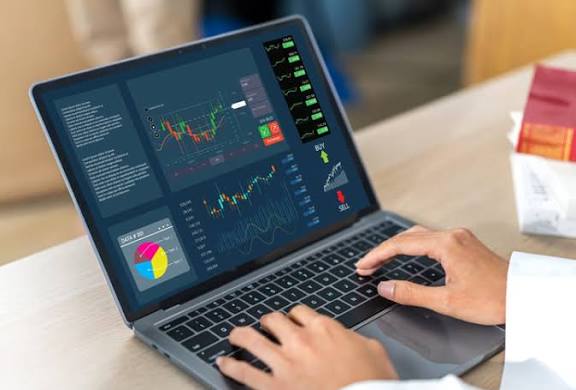
Financial management is no longer limited to spreadsheets, accounting departments, and periodic reports. Organizations increasingly use digital dashboards, automated reporting systems, predictive analytics, cloud applications, and integrated financial software. These technologies allow management teams to access information more quickly and identify changes in revenue, expenses, cash flow, and market conditions.
The management side of ftasiamanagement exchange by fintechasia fits into this broader movement toward data-driven decision-making. When financial information is organized efficiently, businesses can spend less time collecting data and more time interpreting it. Automation can also reduce repetitive administrative work, although automated systems still require appropriate oversight and validation.
For smaller companies, accessible financial technology can be particularly useful. Digital tools may help them organize payments, monitor expenses, communicate with financial institutions, and understand business performance. Larger organizations, meanwhile, often require sophisticated integrations capable of connecting financial systems with treasury management, accounting, compliance, and enterprise resource planning platforms.
Security and Risk Considerations
Security is one of the most important considerations when evaluating any digital financial platform. Financial systems can process sensitive personal, transactional, and business information, making them attractive targets for cyberattacks. Strong authentication, encryption, access controls, monitoring, secure infrastructure, and appropriate incident-response procedures are therefore important components of responsible financial technology.
Discussions about ftasiamanagement exchange by fintechasia should consequently be viewed alongside the broader security requirements of digital finance. Users should examine how a platform describes data protection, account security, asset custody, transaction monitoring, and regulatory compliance. They should also distinguish between general statements about security and independently verifiable certifications, licenses, or regulatory registrations.
Risk management extends beyond cybersecurity. Market volatility, operational failures, liquidity problems, regulatory changes, third-party dependencies, and inaccurate information can all affect financial services. A modern financial environment requires users to consider these factors before making important financial decisions.
Regulatory Compliance in Digital Finance
Financial regulation varies significantly between countries and regions. Banks, payment companies, exchanges, asset managers, and digital-asset businesses may face different licensing and reporting obligations depending on their activities and location. Know-your-customer procedures, anti-money-laundering controls, transaction monitoring, data protection, and consumer safeguards are common areas of regulatory attention.
This makes regulatory transparency an important consideration when researching ftasiamanagement exchange by fintechasia. Online descriptions may discuss international operations, partnerships, or regulatory approaches, but readers should verify any specific licensing claim through the relevant regulator or official corporate documentation. A website article alone should not be treated as proof that a financial service is authorized in a particular jurisdiction.
Clear regulatory information helps users understand what a financial platform actually does and where its services are available. It can also help businesses determine whether a particular solution is appropriate for their operational and compliance requirements.
The Importance of Financial Information
Reliable information has become an important part of modern financial decision-making. Markets can respond rapidly to economic announcements, interest-rate changes, technological developments, regulatory decisions, and geopolitical events. As a result, financial professionals need access to information that is timely, understandable, and appropriately sourced.
Information-focused platforms can contribute to financial awareness by explaining complex developments in simpler language. FTAsiaManagement describes its content as covering areas such as finance, digital assets, technology, economic trends, and innovation. FintechAsia materials also describe coverage involving financial technology, management, investment, and economic developments.
Readers should nevertheless compare important financial information with authoritative sources. Market commentary can provide useful context, but it should not automatically be interpreted as investment advice or evidence of a particular financial outcome.
Potential Benefits for Businesses
Technology-driven financial platforms can offer several potential operational benefits. Faster access to information can improve internal reporting, while automation can reduce repetitive administrative processes. Digital payment infrastructure can support international commerce, and integrated data systems can help organizations monitor financial activity more efficiently.
For businesses exploring concepts associated with ftasiamanagement exchange by fintechasia, the most useful approach is to focus on practical questions. What type of financial activity does the platform actually support? Which countries and users are eligible? What regulatory framework applies? How is data protected? What fees or operational costs are involved? What documentation is available? These questions help separate practical information from general promotional language.
The answers may also vary according to whether the user is an individual, startup, financial institution, or international business. Each group has different requirements concerning security, compliance, transaction volume, integration, and reporting.
Challenges Facing Digital Financial Ecosystems
Despite the potential advantages of financial technology, digital financial ecosystems face significant challenges. Regulatory fragmentation remains an important issue because countries may have different definitions and rules for digital assets, payments, financial services, and data management. A platform operating across several markets must therefore adapt its procedures to local requirements.
Cybersecurity is another continuing challenge. As financial systems become increasingly digital, organizations must continuously strengthen their defenses against phishing, credential theft, malware, fraud, and unauthorized access. Technology also creates dependency on cloud infrastructure, software providers, telecommunications networks, and other third-party services.
User education is equally important. Financial technology can simplify complex processes, but unfamiliar terminology and sophisticated digital products may still confuse inexperienced users. Clear explanations and transparent information can help people understand both the opportunities and risks associated with new financial technologies.
Future of Digital Finance and Exchange Technology
The future of financial technology is likely to involve greater integration between traditional financial institutions and digital systems. Artificial intelligence may continue to support data analysis and fraud detection, while cloud infrastructure can help organizations scale financial applications. Blockchain and tokenization may remain areas of experimentation, particularly for settlement, ownership records, and digital representations of assets.
The concept represented by ftasiamanagement exchange by fintechasia can be viewed within this continuing evolution. Rather than considering financial technology as a replacement for every traditional financial system, it may be more useful to understand it as an expanding layer of digital infrastructure that can complement banking, payments, investment management, and financial information services.
Future developments will depend heavily on regulation, consumer adoption, technological reliability, cybersecurity, and the ability of organizations to demonstrate practical value. Platforms that provide clear information and transparent operating models may become increasingly important as financial services become more technology-driven.
How Readers Can Evaluate Financial Platforms
Anyone researching a digital financial platform should conduct careful due diligence. Start by identifying the organization behind the platform and determining whether its legal identity can be independently verified. Next, examine available regulatory information, terms of service, privacy policies, security documentation, and supported jurisdictions.
It is also useful to distinguish educational material from actual financial products. A blog article explaining digital finance does not necessarily mean that the website operates a regulated exchange or provides investment services. Users should avoid relying solely on promotional claims and should seek authoritative documentation when money, investments, or sensitive financial information are involved.
This approach is especially valuable when researching unfamiliar terminology. Searching for ftasiamanagement exchange by fintechasia can produce different descriptions across websites, which demonstrates why source comparison and independent verification remain important in the rapidly changing fintech sector.
Conclusion
Digital finance continues to reshape how people and organizations interact with financial information, payments, assets, and technology. ftasiamanagement exchange by fintechasia is an online topic associated with this broader transformation, particularly around financial technology, digital finance, market information, and modern financial management. Available sources describe the concept in different ways, making careful interpretation and independent verification important.
As financial technology continues developing, businesses and individuals will increasingly need to understand both its opportunities and its limitations. Security, regulation, transparency, data quality, and responsible decision-making will remain essential. By examining financial platforms carefully and relying on authoritative information for important claims, readers can develop a clearer understanding of how modern digital finance is evolving and where emerging technologies may fit within the wider financial ecosystem.