

Introduction
The world of online trading has expanded rapidly over the last decade, creating countless opportunities for individuals to participate in global financial markets. Among the many platforms and trading resources available today, ftasiatrading has become a term that attracts the attention of beginners and experienced traders alike. Understanding how trading platforms work, how markets operate, and what strategies can improve trading outcomes is essential for anyone entering this competitive environment.
For new traders, the learning curve can seem overwhelming. There are charts to analyze, risks to manage, and market movements to understand. This is where educational resources and trading-focused platforms play a significant role. ftasiatrading provides insights into trading concepts, market analysis, and investment opportunities that help users build their knowledge and confidence.
This guide explores everything a beginner should know about trading, from market fundamentals and trading strategies to risk management and practical tips. By the end of this article, readers will have a clearer understanding of how trading works and how to approach it with a structured mindset.
What Is FTAsiaTrading?
ftasiatrading refers to a trading-focused platform or resource that provides information, insights, and educational content related to financial markets. It aims to help traders understand market trends, develop trading strategies, and make informed investment decisions.
The primary purpose of trading platforms and educational resources is to bridge the gap between market complexity and user understanding. New traders often struggle with technical indicators, market terminology, and risk assessment. Resources like ftasiatrading can simplify these concepts through guides, analysis, and educational materials.
Modern trading involves a variety of financial instruments, including stocks, currencies, commodities, cryptocurrencies, and indices. Each market has its own characteristics and risks. Learning how these assets behave is a critical step toward becoming a successful trader.
Many beginners start trading without sufficient preparation, often resulting in avoidable losses. By studying market fundamentals and adopting disciplined practices, traders can improve their chances of long-term success.
Why Trading Has Become So Popular
The popularity of online trading continues to grow because technology has made financial markets more accessible than ever before. With internet access and a trading account, individuals can participate in global markets from virtually anywhere.
Several factors contribute to the rise of trading:
- Easy access to online platforms
- Availability of educational resources
- Growing interest in financial independence
- Mobile trading applications
- Real-time market information
The increasing accessibility of financial information has encouraged more people to learn about investing and trading. Educational platforms such as ftasiatrading help users understand market trends and improve their decision-making abilities.
Table: Key Reasons People Start Trading
| Reason | Description |
|---|---|
| Additional Income | Opportunity to earn profits from market movements |
| Financial Knowledge | Learn about investments and economics |
| Flexibility | Trade from various locations |
| Market Access | Participate in global financial markets |
| Wealth Building | Potential for long-term capital growth |
Understanding Different Types of Markets
Before placing any trade, beginners should understand the various financial markets available. Each market offers unique opportunities and challenges.
Stock Market
The stock market allows investors to buy and sell shares of publicly traded companies. Prices fluctuate based on company performance, economic conditions, and investor sentiment.
Forex Market
The foreign exchange market, commonly known as Forex, involves trading currency pairs. It is one of the largest and most liquid financial markets globally.
Cryptocurrency Market
Cryptocurrencies have gained popularity due to their decentralized nature and high volatility. Traders often seek opportunities in price fluctuations.
Commodity Market
Commodities include assets such as gold, silver, oil, and agricultural products. These markets are often influenced by global supply and demand factors.
Indices Market
Indices represent groups of stocks that track the performance of specific sectors or economies. Popular examples include major national and international stock indexes.
Learning about these markets through educational sources like ftasiatrading helps traders identify opportunities that align with their goals and risk tolerance.
Essential Trading Concepts Every Beginner Should Know
Understanding basic trading concepts is critical before entering any market. These concepts form the foundation of successful trading.
Market Trend
A market trend indicates the overall direction of price movement.
Types of trends include:
- Uptrend
- Downtrend
- Sideways trend
Support and Resistance
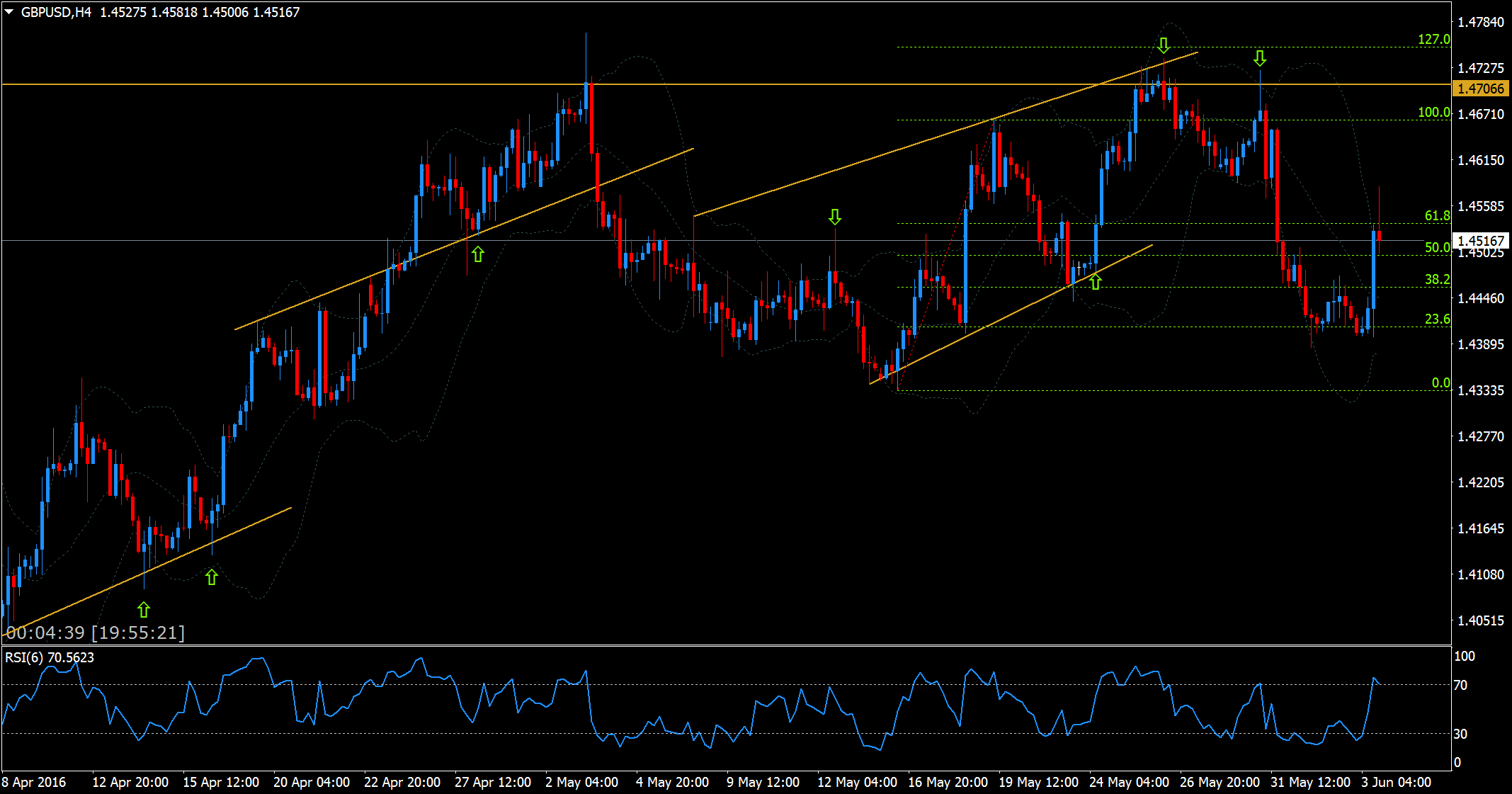
Support is a price level where demand may prevent further declines. Resistance is a level where selling pressure may prevent further increases.
Volatility
Volatility measures how much prices fluctuate over a specific period. High volatility can create both opportunities and risks.
Liquidity
Liquidity refers to how easily an asset can be bought or sold without significantly affecting its price.
Understanding these concepts allows traders to make more informed decisions and avoid common mistakes.
Benefits of Using Trading Education Resources

Educational resources are valuable for traders of all experience levels. Learning from structured content can reduce costly mistakes and improve confidence.
Some benefits include:
- Better understanding of market behavior
- Improved trading strategies
- Enhanced risk management skills
- Increased confidence
- Continuous learning opportunities
Platforms like ftasiatrading often focus on providing market insights and educational materials that help traders stay informed about changing market conditions.
Knowledge remains one of the most important tools in trading. The more a trader understands market dynamics, the better equipped they are to navigate uncertainty.
Popular Trading Strategies for Beginners
Choosing an appropriate trading strategy is crucial for success. Beginners should focus on simple approaches before attempting more advanced techniques.
Day Trading
Day traders open and close positions within the same trading day. This strategy requires constant monitoring and quick decision-making.
Swing Trading
Swing trading involves holding positions for several days or weeks to capture medium-term price movements.
Position Trading
Position traders maintain trades for longer periods based on broader market trends and fundamental analysis.
Scalping
Scalping focuses on capturing small price movements through multiple trades throughout the day.
Table: Comparison of Trading Strategies
| Strategy | Holding Period | Risk Level | Time Commitment |
|---|---|---|---|
| Day Trading | Hours | High | High |
| Swing Trading | Days/Weeks | Moderate | Moderate |
| Position Trading | Weeks/Months | Moderate | Low |
| Scalping | Minutes | High | Very High |
Many beginners find swing trading easier because it requires less screen time while still offering opportunities for profit.
The Importance of Risk Management
Risk management is one of the most important aspects of trading. Even experienced traders experience losses, but effective risk management helps protect capital.
Key risk management techniques include:
- Setting stop-loss orders
- Limiting position sizes
- Diversifying investments
- Avoiding emotional decisions
- Maintaining realistic expectations
A common mistake among beginners is risking too much on a single trade. Successful traders understand that preserving capital is just as important as generating profits.
Educational resources such as ftasiatrading often emphasize risk management because it plays a vital role in long-term trading success.
Common Mistakes New Traders Should Avoid
Many beginners repeat the same mistakes when starting their trading journey. Recognizing these pitfalls can help improve performance.
Trading Without a Plan
Entering trades without a strategy often leads to inconsistent results.
Overtrading
Excessive trading can increase costs and emotional stress.
Ignoring Risk Management
Failing to manage risk can result in significant losses.
Chasing Losses
Trying to recover losses quickly often leads to even greater losses.
Following the Crowd
Making decisions solely based on popular opinion can be risky.
By avoiding these common errors, traders can build stronger habits and improve their overall approach to the markets.
Building a Successful Trading Mindset
Psychology plays a significant role in trading success. Even the best strategy can fail if emotions interfere with decision-making.
Successful traders often demonstrate:
- Discipline
- Patience
- Consistency
- Emotional control
- Continuous learning
The ability to remain calm during market fluctuations is a valuable skill. Markets are unpredictable, and emotional reactions can lead to poor decisions.
Developing a strong mindset takes time and practice. Learning from mistakes and maintaining realistic expectations are essential components of long-term growth.
Future Trends in Online Trading
Technology continues to transform the trading industry. Several trends are shaping the future of financial markets.
These include:
- Artificial intelligence in market analysis
- Automated trading systems
- Advanced charting tools
- Mobile trading innovations
- Increased market accessibility
As technology evolves, traders gain access to more sophisticated tools and information. Educational platforms such as ftasiatrading help users stay updated on these developments and understand how they may impact trading opportunities.
The future of trading will likely involve greater automation and data-driven decision-making, making education more important than ever.
Conclusion
ftasiatrading serves as a valuable resource for individuals seeking to understand financial markets and improve their trading knowledge. Whether exploring stocks, forex, cryptocurrencies, commodities, or indices, beginners benefit greatly from learning market fundamentals before risking capital.
Successful trading requires more than simply buying and selling assets. It demands discipline, education, risk management, and continuous improvement. Understanding key concepts such as trends, support and resistance, volatility, and trading psychology can significantly enhance decision-making.
By utilizing educational resources, practicing effective risk management, and developing a structured trading plan, new traders can approach the markets with greater confidence. The journey to becoming a skilled trader takes time, but with consistent learning and a disciplined mindset, long-term success becomes a more achievable goal.